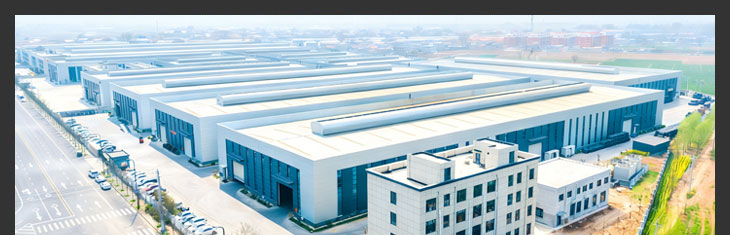
Epoxy coating VS Hot-dip galvanizing, which one should you choose for your anchor project?
When selecting anti-corrosion solutions for rock bolts, anchor bars and ground anchorage systems, most project engineers face a classic choice: Hot-dip galvanizing or Epoxy coating?
Each surface treatment has its unique strengths, and the best option always depends on your project environment, service life standards and overall engineering budget.
Hot-dip Galvanizing (HDG) is the mainstream solution for conventional geotechnical projects.
With a thick, uniform zinc layer formed by high-temperature immersion, it provides excellent mechanical protection and basic anti-rust performance in general atmospheric environments. Featuring low initial cost, stable quality and convenient on-site construction, it is perfectly suitable for inland slope stabilization, ordinary tunnel support, and short-to-medium term municipal anchorage projects.
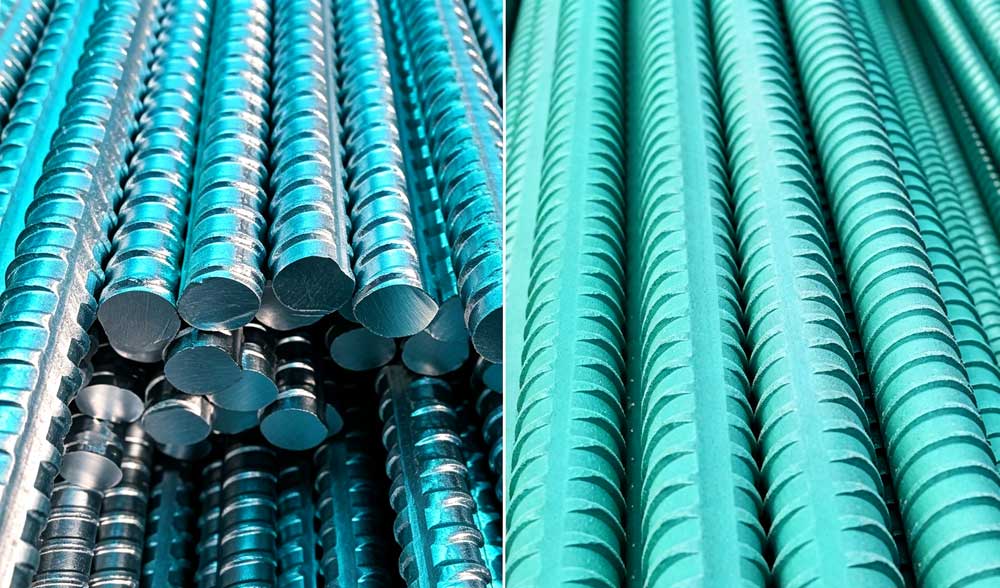
Epoxy Coating Steel is the premium choice for harsh and high-corrosion environments.
The dense epoxy coating creates a complete isolation barrier between the steel substrate and external corrosive substances. It effectively resists erosion from chloride ions, salt spray, acid soil and chemical media. For coastal infrastructure, salt-lake areas, acid mineral mining sites, and long-term permanent ground anchor projects requiring 50+ years service life, epoxy coating far outperforms traditional galvanizing in long-term anti-corrosion stability.
We should never simply judge which one is better. The right way is to compare the whole‑life‑cycle cost against your actual site environment, service life requirement and project budget.
Choosing the wrong anti‑corrosion solution may cause early‑stage rust and bring huge rework risk later.
Which anti‑corrosion solution is your first choice for your ongoing project? Welcome to share your experience below.
 BACK
BACK